
When you picture Antarctica, chances are penguins, seals, and whales pop into your mind. But did you know that when you travel between November and March can completely change the wildlife experience you have?
Here’s your month-by-month guide to who’s waddling, swimming, and showing off during the Antarctic season.
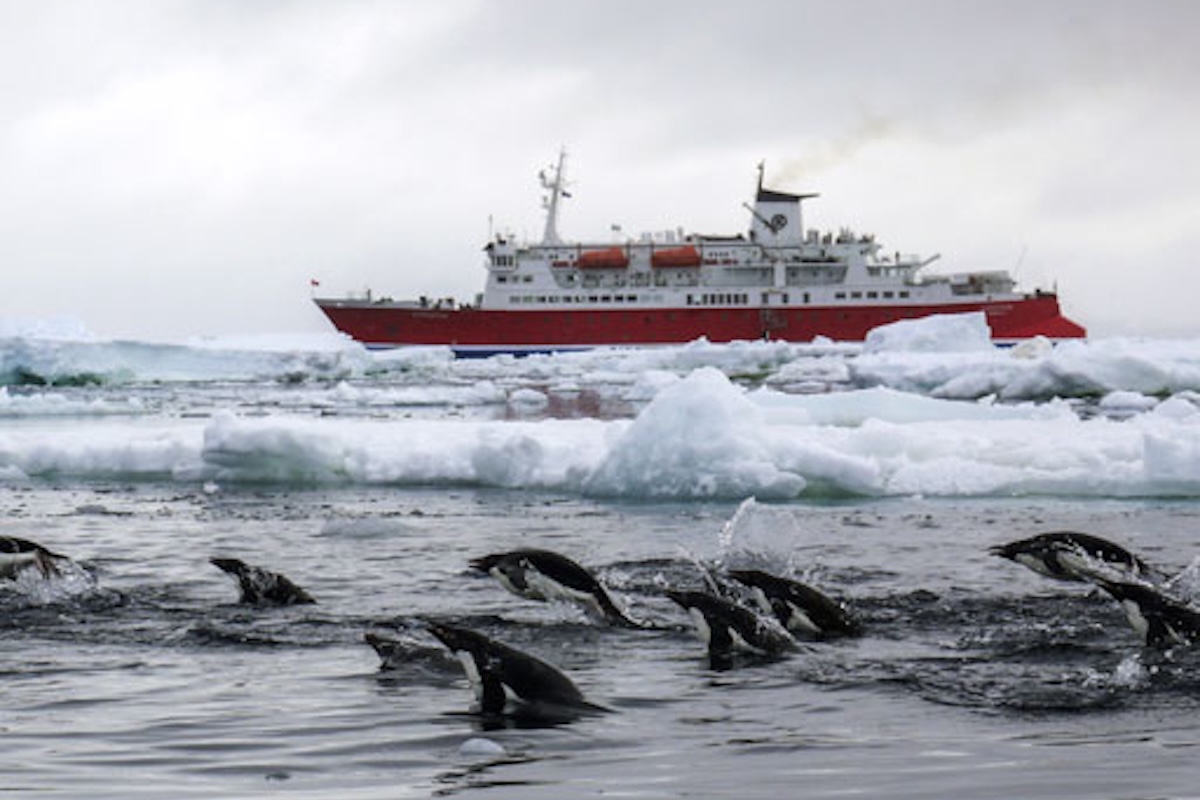
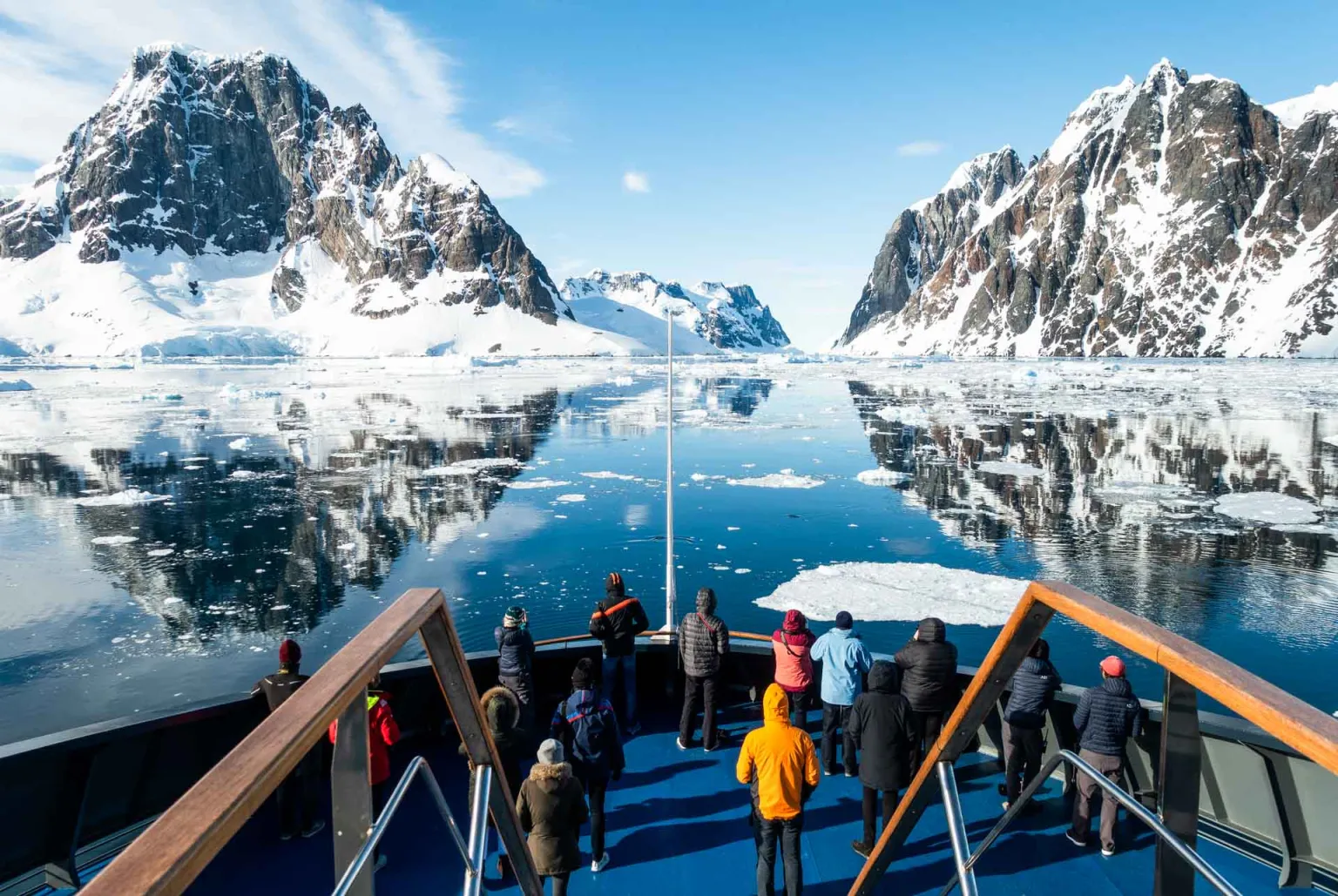
The ice begins to break up, opening the way for expedition ships.
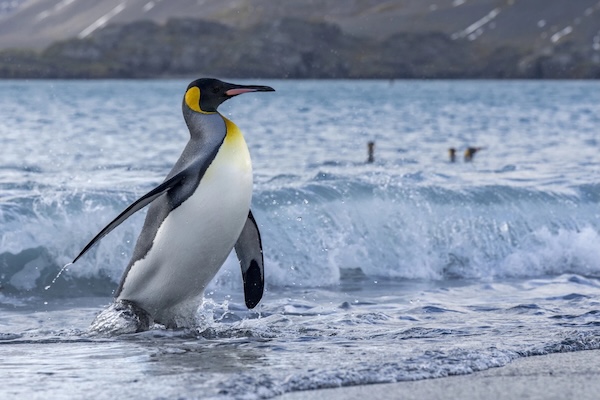
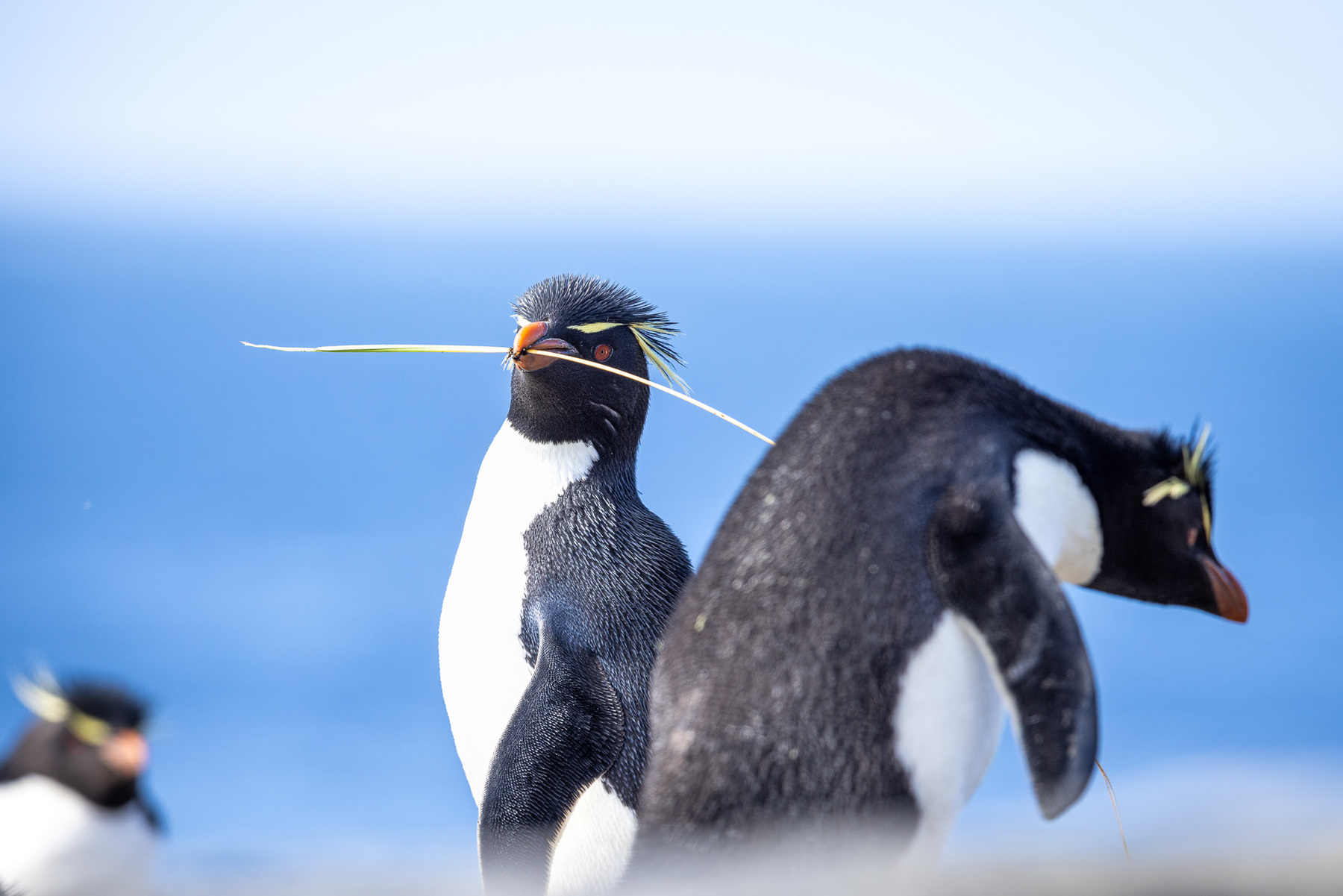
Penguins arrive ashore, waddling in to build their nests. You’ll see them stealing (or “borrowing”) pebbles from each other — the original soap opera drama.
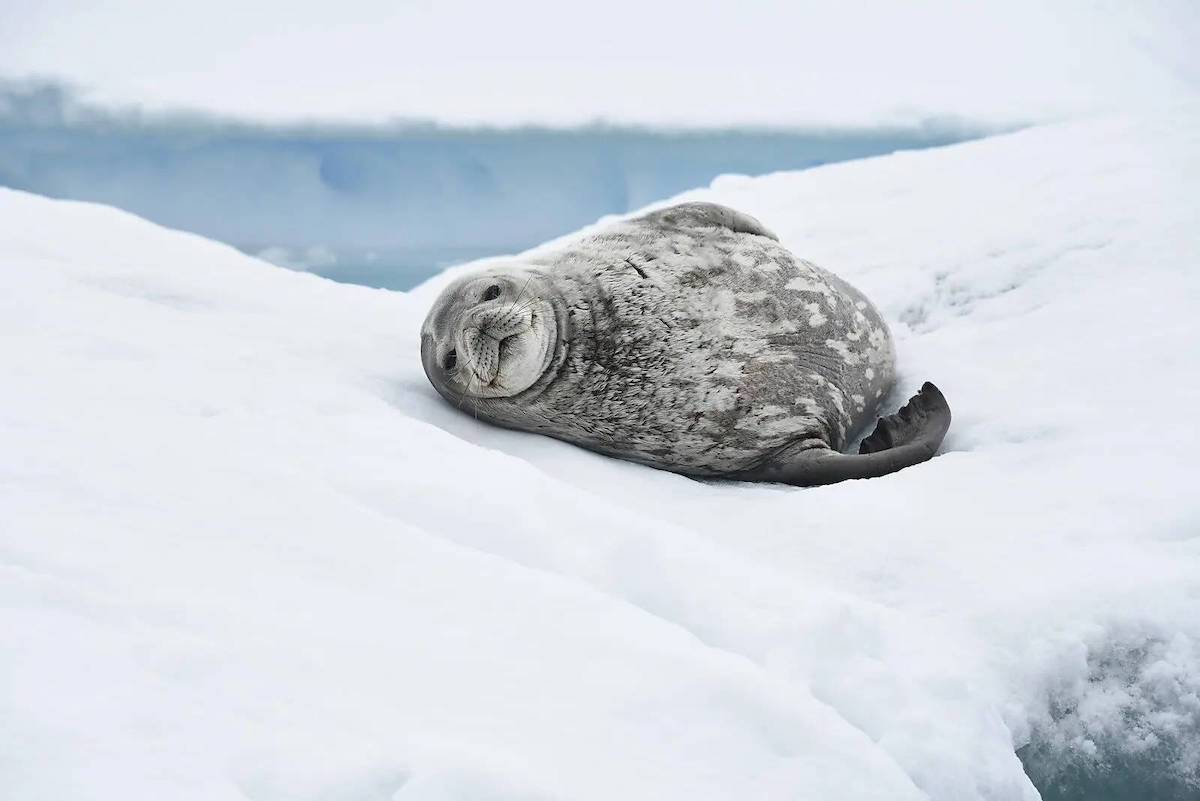
Seals haul out on the beaches to bask in the returning sun.
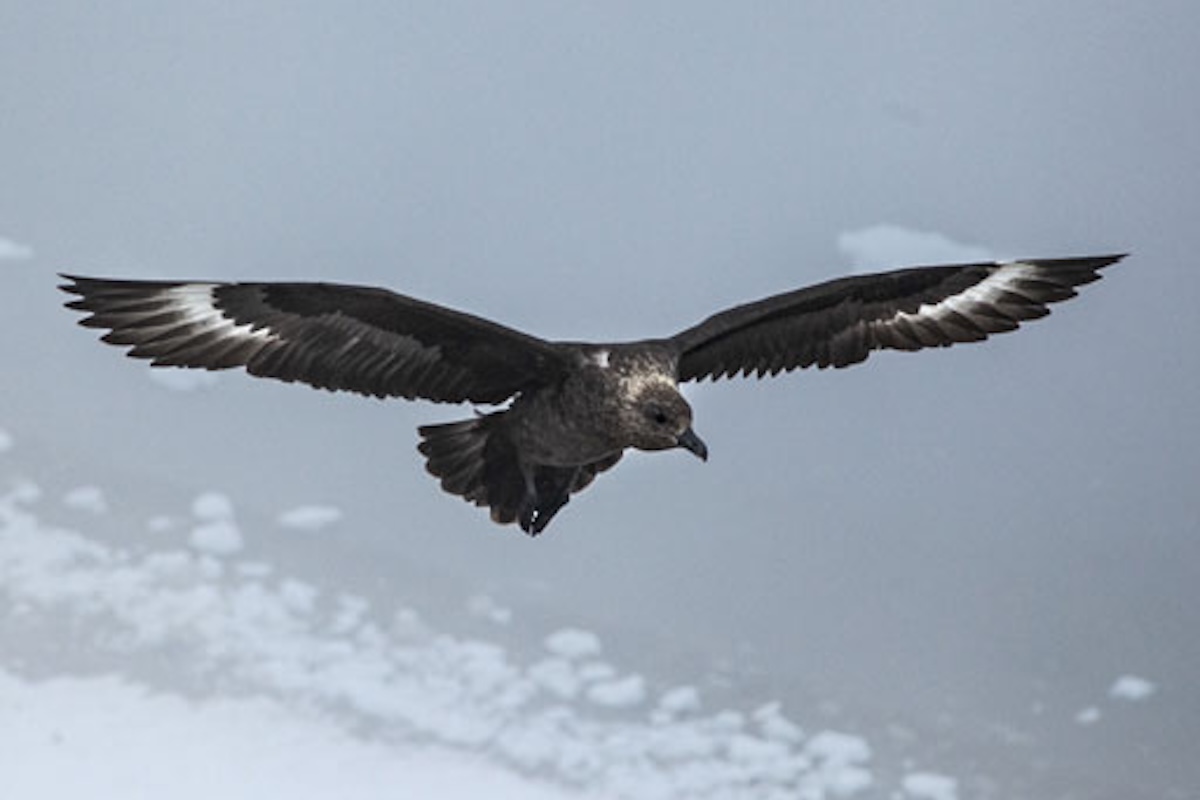
Migratory seabirds return — think albatross, skuas, and petrels gliding in the skies.
November is full of energy and new beginnings — perfect if you love watching nature kick into gear.
It’s the height of summer and the sun shines nearly 24 hours a day.
Penguin eggs start to hatch! Imagine fluffy grey chicks peeping under their parents’ bellies.
Seal pups make their first wobbly appearances.
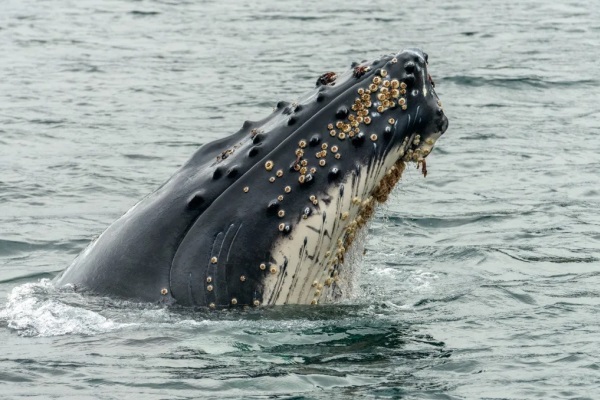
Whales start to arrive in greater numbers as the krill feast begins.
December is ideal for travelers who want baby penguin cuteness overload and lots of daylight for photography.
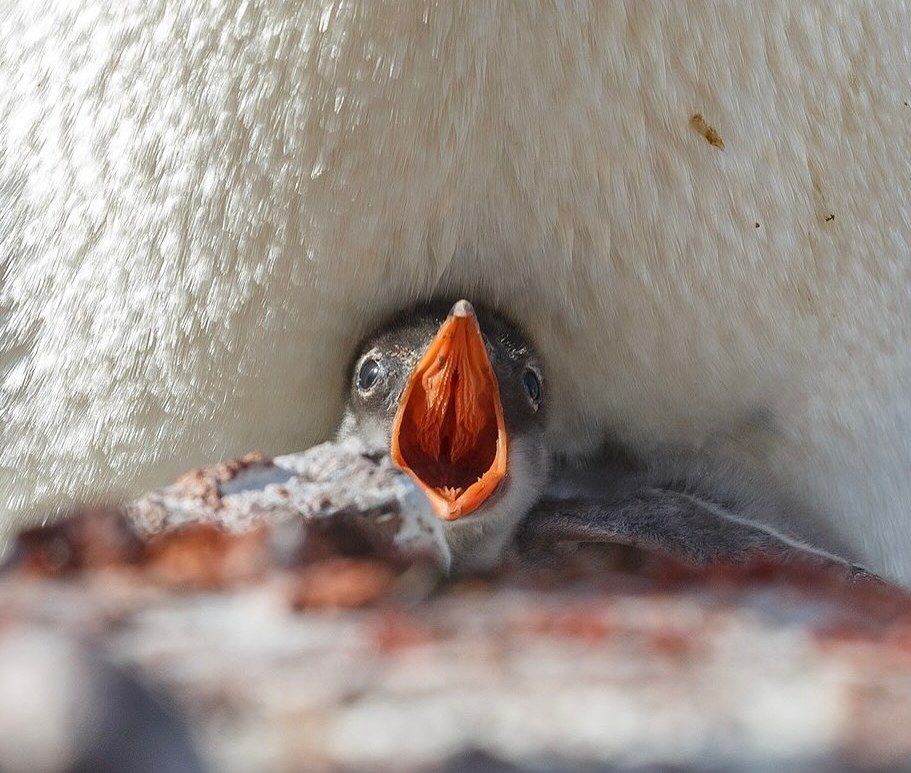
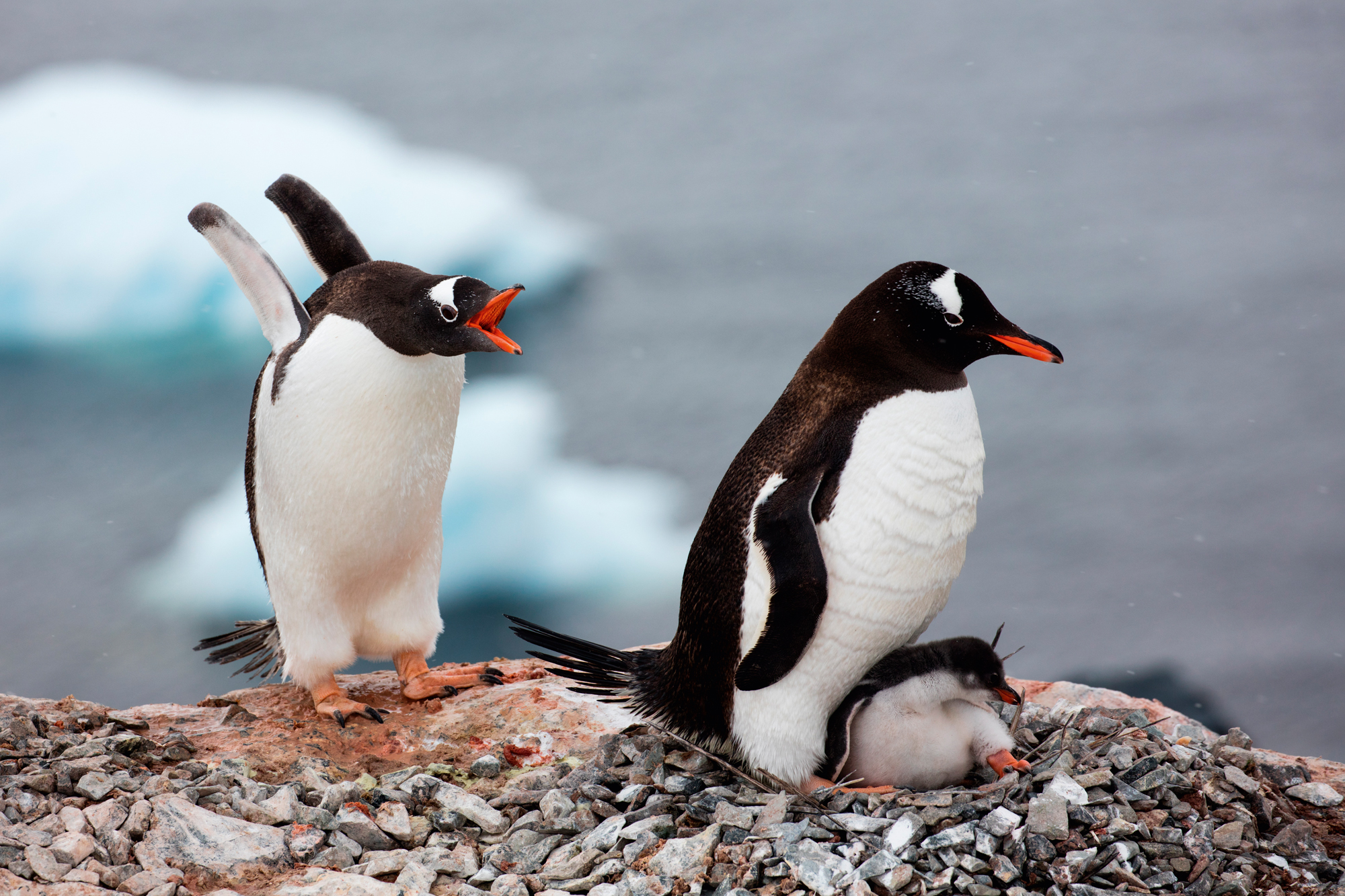
Penguin colonies are buzzing — chicks are growing fast and learning the art of begging for food.
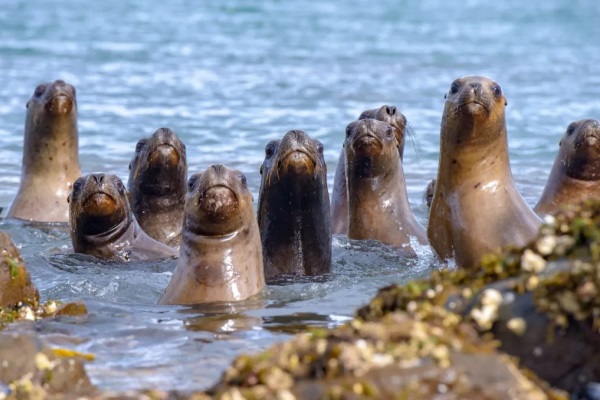
Fur seals can be seen in larger numbers (and they can be feisty — guides will remind you to keep a safe distance!).
Whale sightings increase dramatically, especially humpbacks bubble-net feeding.
January is peak wildlife season, and the weather is at its warmest – a toasty 0°C to 5°C
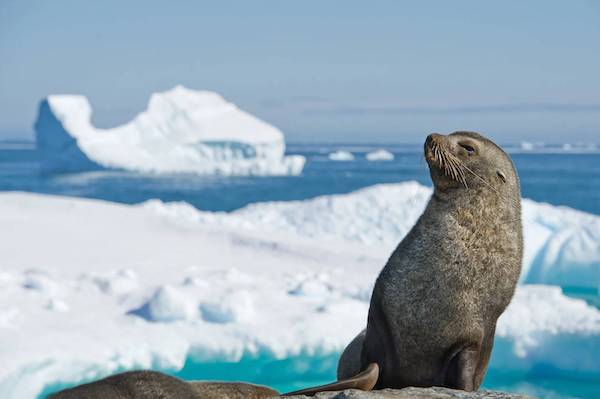
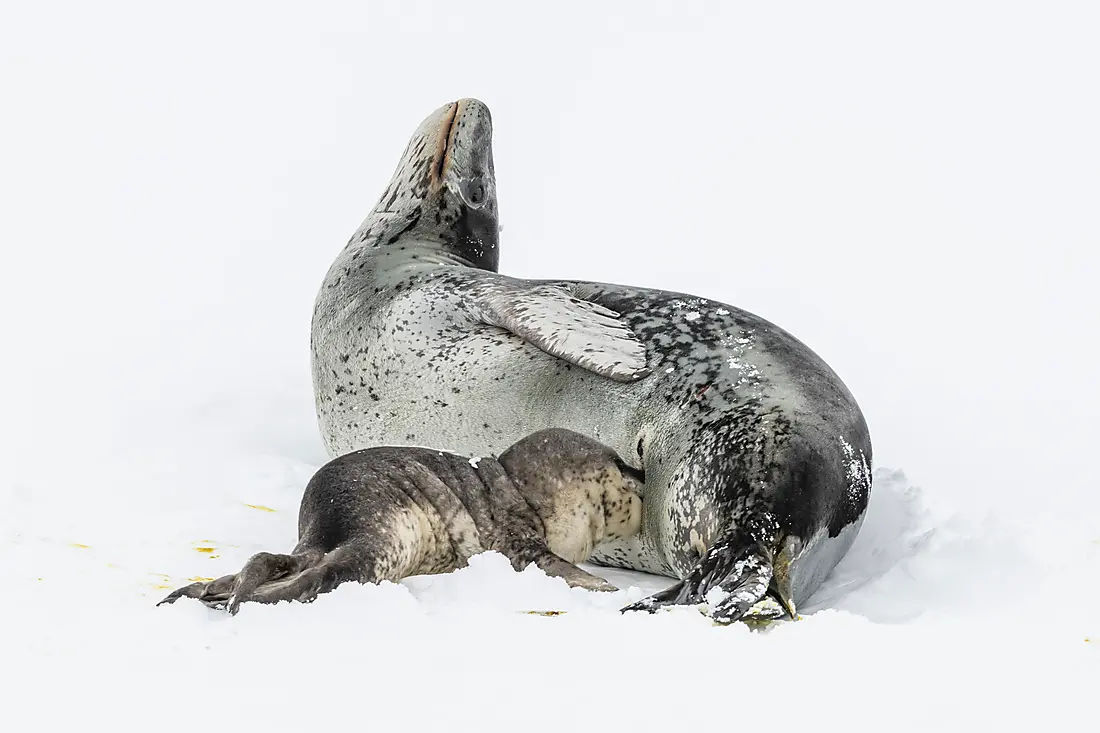
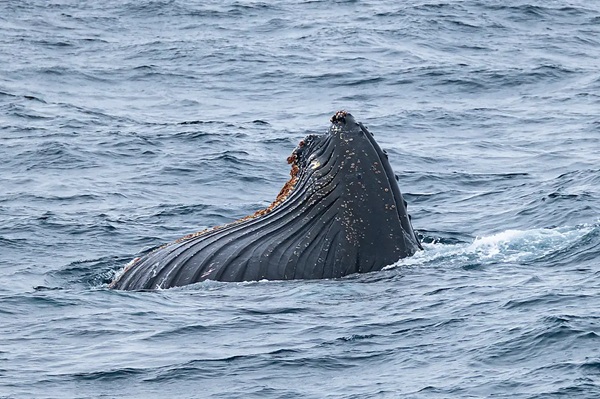
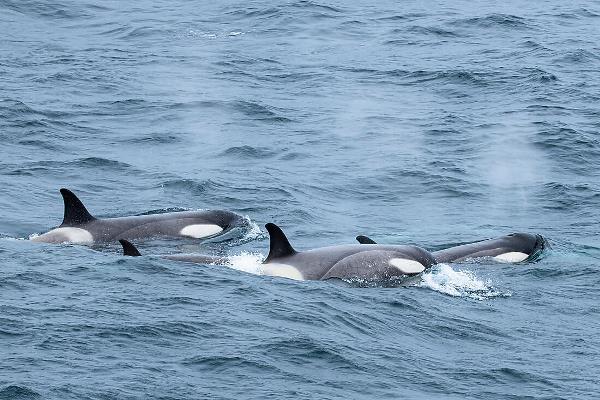
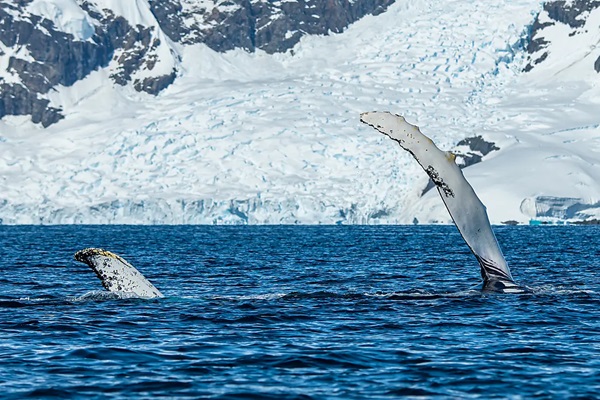
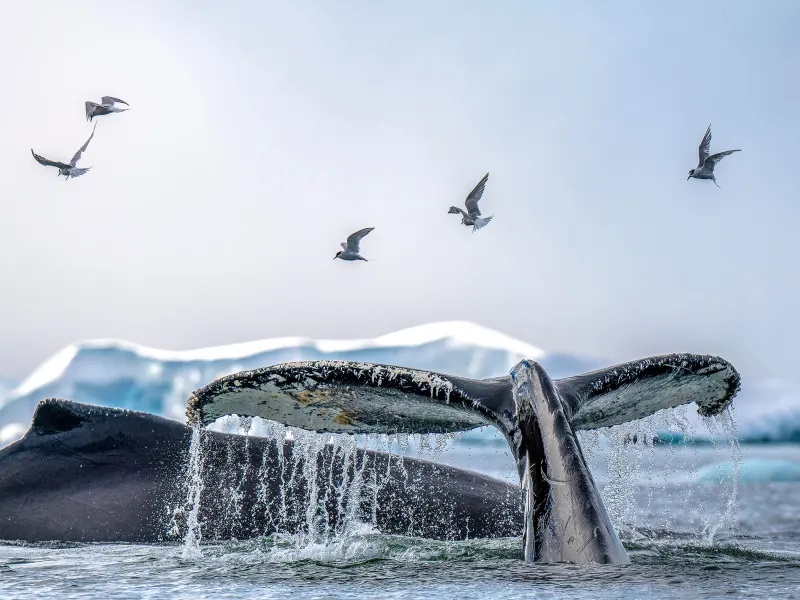
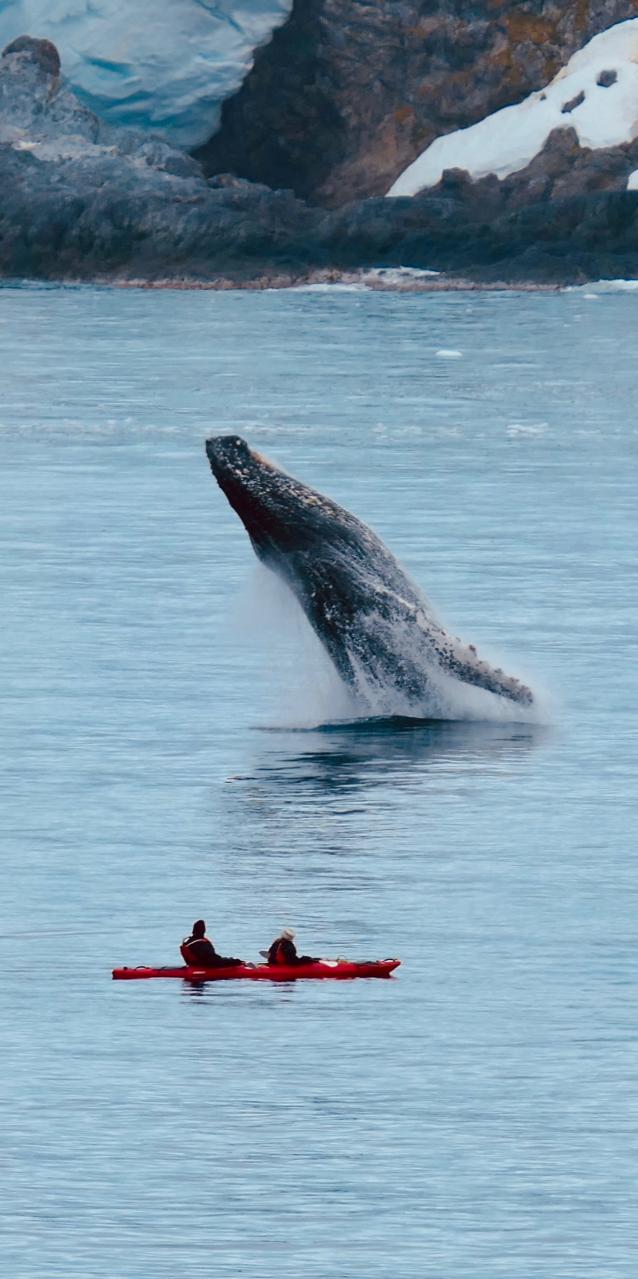
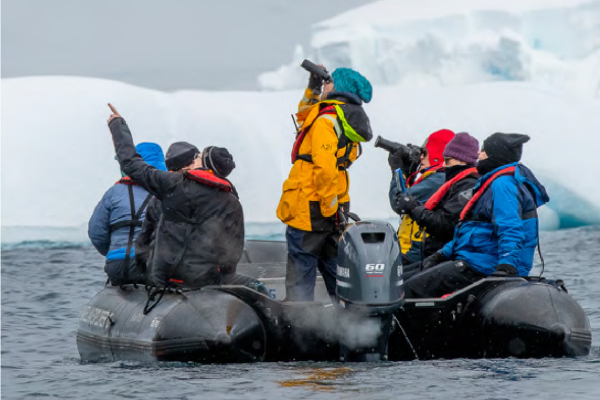
This is the best month for whales — humpbacks, minkes, and orcas are active and easier to spot.
Penguin chicks turn into fluffy teenagers — awkward, scruffy, and hilarious to watch.
Leopard seals patrol the waters, keeping penguins on their toes.
If whales are your dream sighting, February is the jackpot month.
The season winds down, but wildlife is still spectacular.
Whale sightings remain excellent, with many still feeding before heading north.
Penguin chicks start fledging — testing their swimming skills (and sometimes belly-flopping).
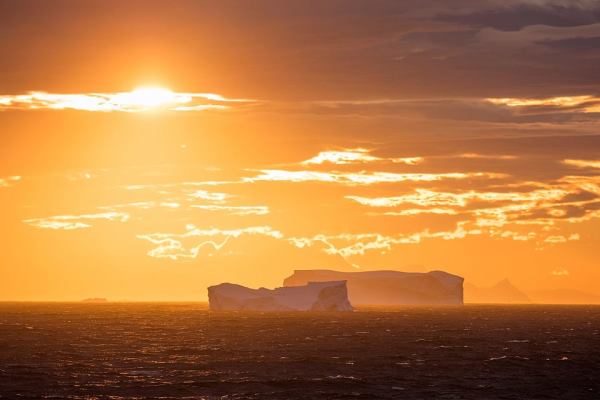
The skies are painted with gorgeous sunsets and dramatic light, a dream for photographers.
March offers a quieter, more reflective Antarctica, with incredible whale encounters and magical light for photos.
No matter when you go, Antarctica’s wildlife will steal your heart. From penguin soap operas in November to whale ballets in February, each month has its own magic. The real secret? There’s no wrong time to visit.
So, when will you meet your wild Antarctic neighbors?