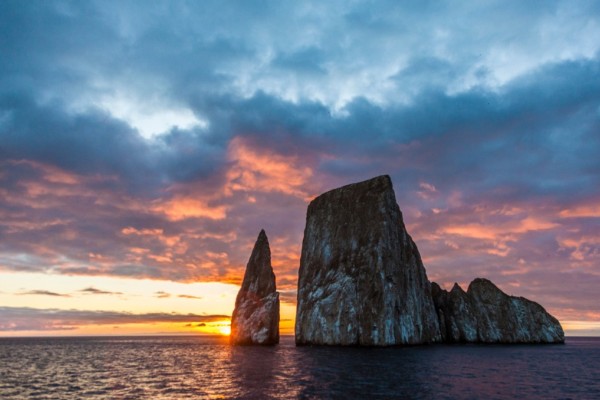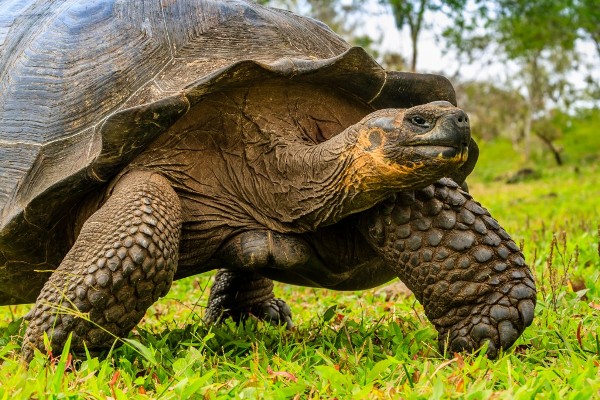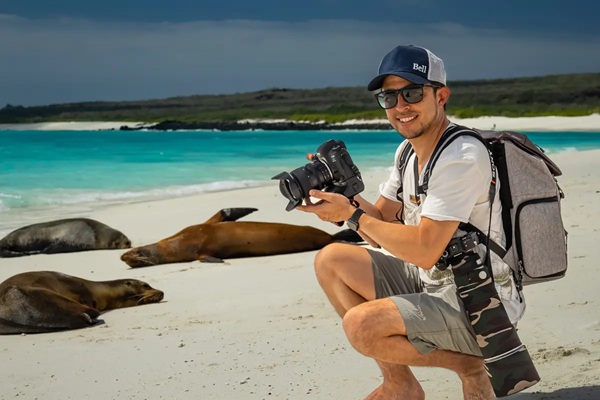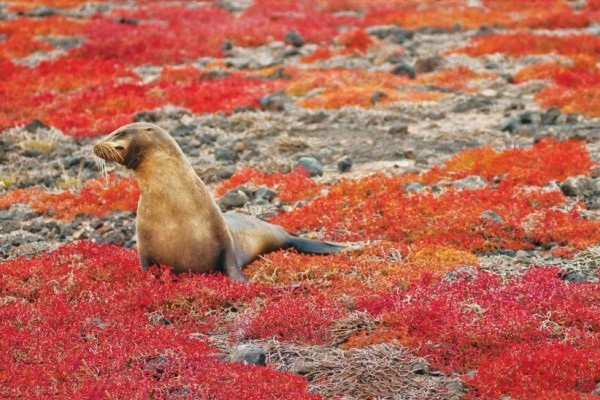
Ask ten people when the best time to visit the Galapagos is, and you will get ten different answers. Here is the truth that most guidebooks will not tell you: there is no single “best” month. There is only the best month for what you actually want to see. The Galapagos does not have four seasons like North America or Europe. It has two: the warm and wet season, and the cool and dry season. Each brings completely different wildlife behaviors, different ocean conditions, and a different experience on the water. Understanding those two seasons is the key to choosing your perfect travel window. Let us break it down month by month, without the hype, so you can decide for yourself.

The Two Seasons in One Paragraph
From December through May, the Galapagos experiences its warm and wet season. The air is warmer. The ocean is calmer and clearer. The humidity rises, and you will see short, tropical rain showers that typically pass within an hour. This is when the water is warmest for swimming and snorkeling.
From June through November, the cool and dry season arrives. The Humboldt Current brings colder, nutrient-rich water. The air cools down. A persistent mist called the garúa hangs over the higher islands. The seas are rougher, especially in the channels between islands. But this is also when the ocean explodes with marine life.
Neither season is better. They are simply different. And the wildlife you want to see will
determine which window is right for you.
December through May: Warm, Calm, and Lush
This is the season most first-time visitors imagine when they picture the Galapagos. The sun is strong. The water is warm enough to snorkel for hours without a wetsuit. The skies are blue more often than not, interrupted only by brief afternoon showers that green up the landscape.
The warm season is the time for calm seas. Crossing between islands feels smoother. If you are prone to motion sickness, this is the gentler window to travel.
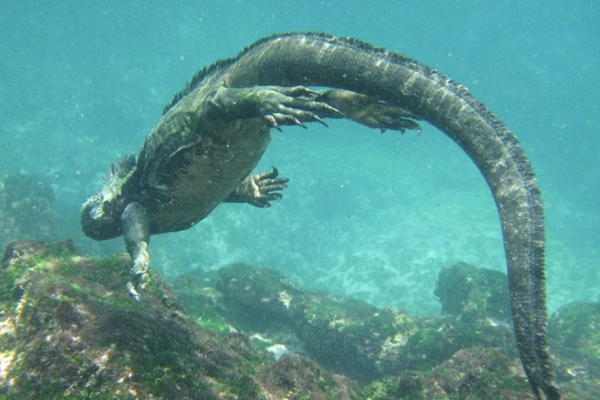
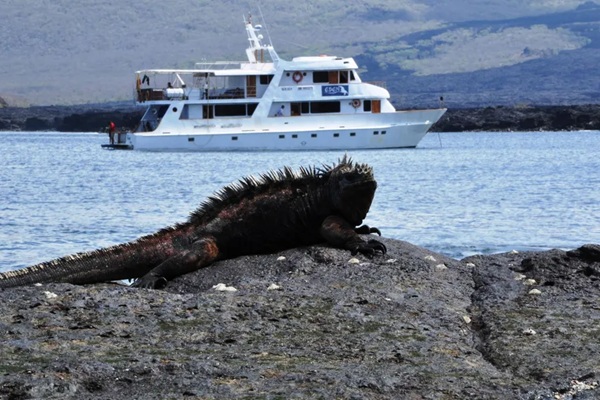
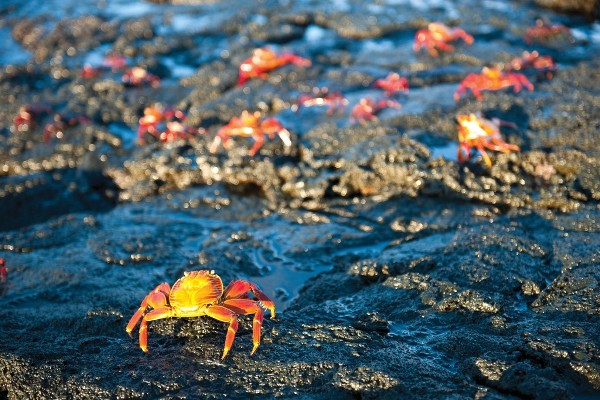
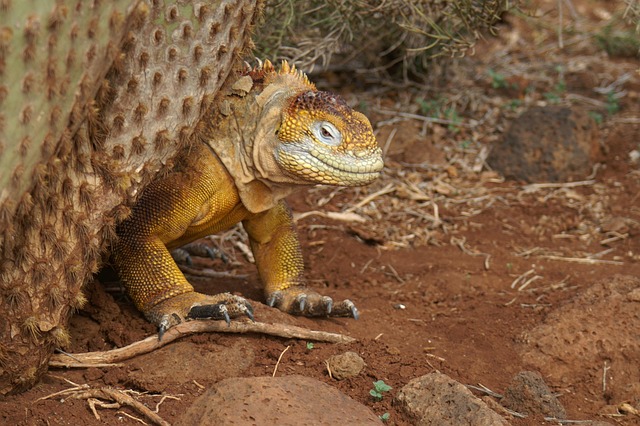
Wildlife highlights during these months are extraordinary. The land iguanas begin their mating rituals. Nesting sea turtles haul themselves onto the beaches at night. Marine iguanas on Española Island flash bright red and green patches as they enter breeding season.
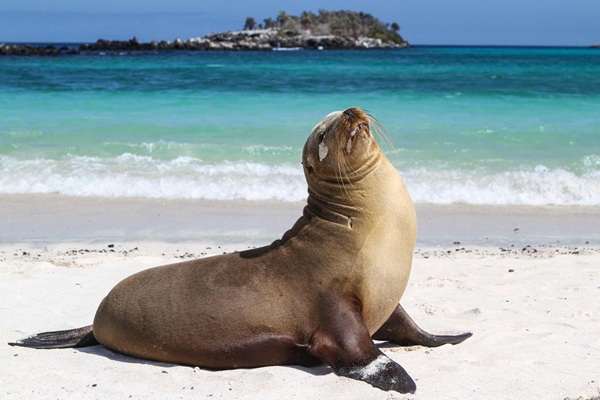
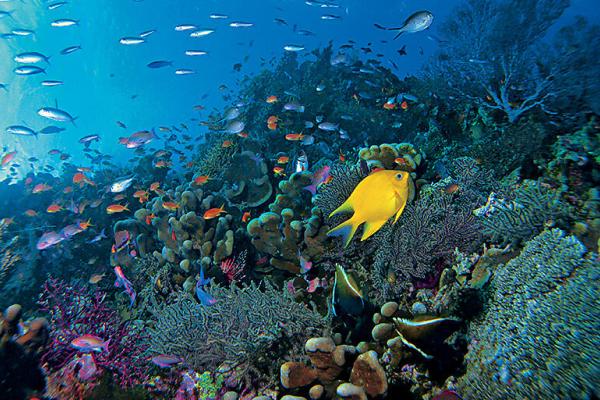
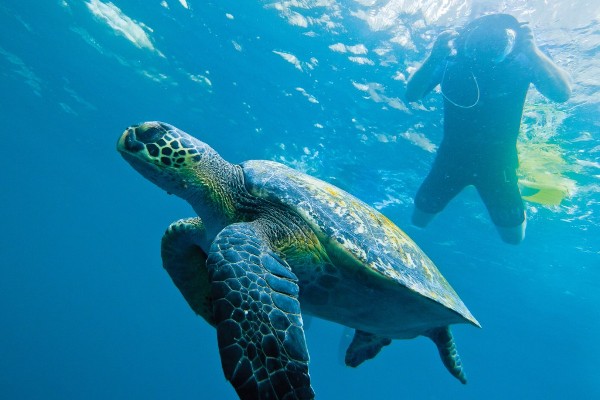
But the true star of the warm season is the sea. The water visibility reaches its annual peak, often exceeding sixty to eighty feet. Snorkeling alongside sea lions, marine iguanas, and dozens of fish species becomes an almost overwhelming sensory experience. Green sea turtles are everywhere. This is also when you have the best chance of spotting hammerhead sharks and manta rays while diving.
Birders should pay special attention to December. That is when the waved albatross arrives on Española Island to begin its courtship ritual. The sight of these massive birds clacking their beaks together and circling each other in a slow, choreographed dance is one of the great wildlife spectacles on earth.
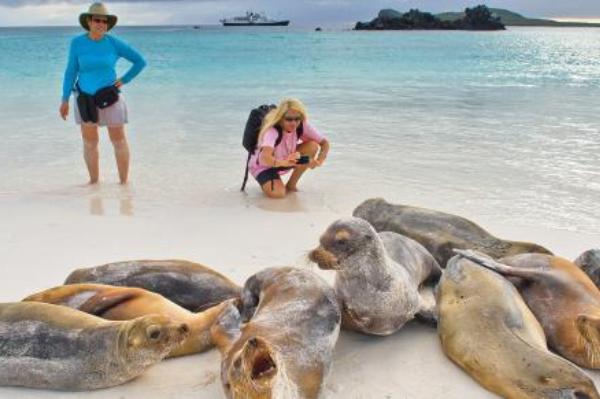
By March and April, the water is at its warmest and clearest. This is prime time for swimmers and snorkelers. The baby sea lions are everywhere, impossibly playful, swimming right up to anyone in the water with unashamed curiosity.
May brings a transition. The water begins to cool. The first signs of the garúa mist appear on the highlands. But May also offers something unique: the frigatebirds on North Seymour Island are at the height of their breeding season. Males inflate their bright red throat pouches to enormous size, hoping to attract a mate. It is absurd, unforgettable, and photographically incredible.
June through November: Cool, Productive, and Dramatic
The cool season is not worse. It is just different. And for many experienced travelers, it is actually better.
The Humboldt Current brings cold, nutrient-rich water from the south. This fuel creates a feeding frenzy across the entire archipelago. Plankton blooms. Fish multiply. And everything that eats fish shows up in staggering numbers.
This is the season of the great gatherings. Swarms of rays glide through the channels. Pods of dolphins hunt along the currents. And the whales arrive. Humpback, orca, and even the occasional blue whale pass through the Galapagos Marine Reserve. For anyone who dreams of seeing whales in the wild, this window is unmatched.
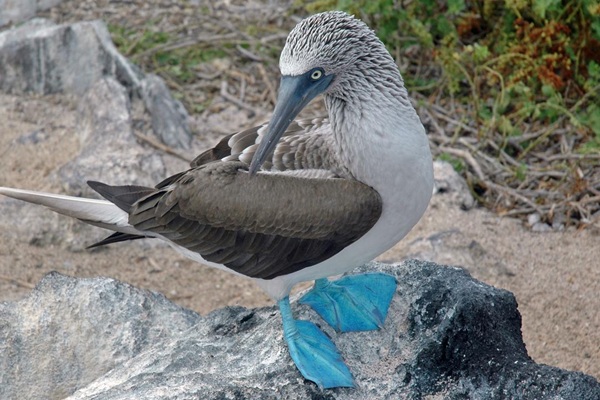
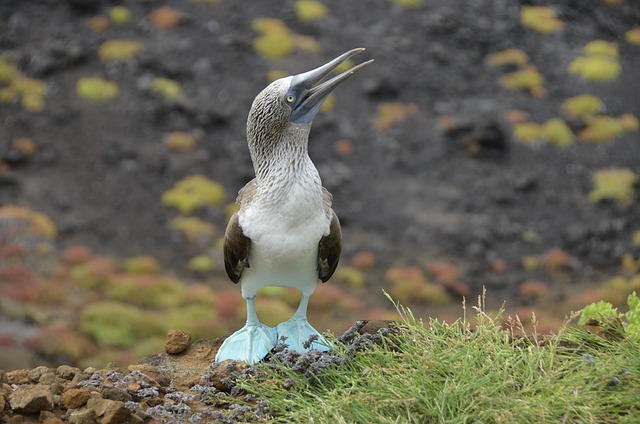
Birders will find the cool season equally rewarding. The blue-footed boobies are at their most active, performing their famous high-stepping courtship dance. Nazca boobies nest on the cliffs. The waved albatross, having completed its courtship, now raises its single chick on Española.
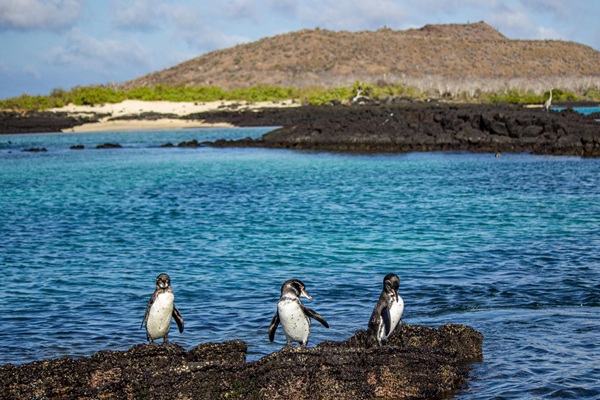
The penguins are the unexpected stars of the cool season. Galapagos penguins, the only penguin species found north of the equator, breed during these cooler months. You can spot them darting through the water around Isabela and Fernandina islands at speeds that seem impossible for such awkward-looking birds.
Snorkeling in the cool season is colder. You will want a wetsuit, which most vessels provide. But the trade-off is spectacular. The cold water brings massive schools of fish. Golden rays glide past you in formation. Sea turtles drift by with barnacles on their shells. And on the best days, you can swim alongside young sea lions that treat you like a new playmate.
The landscape itself changes during the cool season. The garúa mist drapes the highlands in a soft, ethereal fog. The lowlands turn brown and dusty. It is less obviously beautiful than the lush green of the warm season. But there is a stark, volcanic drama to the islands in these months that many photographers actually prefer.
Month by Month: The Quick Reference
January through March: Warmest water. Calmest seas. Best for swimming and casual snorkeling. Sea turtles nest on the beaches. Marine iguanas display bright breeding colors.
April and May: Transition months. Still warm. Water visibility at its peak. Baby sea lions everywhere. Frigatebirds inflate their red pouches on North Seymour. Waved albatross courtship begins on Española.
June and July: Cool season begins. Penguins and flightless cormorants are most active. Whales and dolphins arrive in larger numbers. Seas are rougher. Bring a wetsuit for snorkeling.
August and September: Peak of the cool season. Coldest water. Best month for whale sightings. Blue-footed booby courtship dances are everywhere. The garúa mist creates dramatic photography conditions.
October and November: The cool season winds down. Seas begin to calm. Birds are still active. A wonderful sweet spot for travelers who want good wildlife without the roughest crossings.
December: The warm season returns. Water warms up quickly. Waved albatross begin their famous courtship ritual on Española. The islands turn green again.
The Most Common Question We Get
Travelers ask us constantly: if you could only go once, when would you go?
Our honest answer depends entirely on what you love most.
If you love swimming, snorkeling, and warm sunshine, come between December and May. The calm seas and clear water make every day on or in the ocean a joy. You will see plenty of wildlife. You just will not see the massive feeding frenzies of the cool season.
If you love birds, whales, and dramatic wildlife behavior, come between June and November. You will need a wetsuit. The crossings will be rougher. But you will witness things that warm season travelers miss entirely: dancing blue-footed boobies, penguins hunting in packs, and whales breaching against a misty horizon.
If you love photography and want to avoid crowds, consider April or November. These shoulder months offer the best of both seasons with the fewest other travelers on the trails.
What We Tell Our Own Families
At Antarctica Travels, we have sent thousands of travelers to the Galapagos. We have gone ourselves, multiple times, across every month of the year.
Here is what we have learned: there is no wrong time to visit the Galapagos. The wildlife is extraordinary every single day. The difference between a “good” month and a “great” month is smaller than the brochures want you to believe.
The right question is not “when is the best time?” The right question is “what kind of
experience do I want?”
Warm and calm? Come in the first half of the year.
Cool and dramatic? Come in the second half.
Either way, you will leave changed. That is the promise of the Galapagos, no matter what the calendar says.
Not Sure Which Season Fits You? Let Us Help.
Every traveler is different. Your tolerance for cold water, your interest in specific birds, your sensitivity to rough seas—all of these factors matter.
At Antarctica Travels, we do not give generic answers. We listen to what you actually want, and then we recommend a travel window that fits. We have been doing this for twenty-five years. We have sailed every route. We know which months deliver which moments.