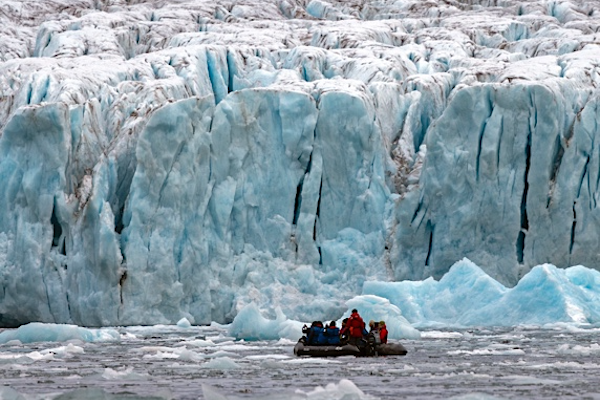
Sail on a complete circumnavigation of the Svalbard archipelago, revealing the Arctic as a continuous and unfolding landscape. From the glacier carved fjords of the northwest, you may move through open western coasts, the high Arctic wilderness of the north and northeast, onward to the remote southeastern plains and the dramatic southern fjords, before reaching the ice edged waters of the pack ice.
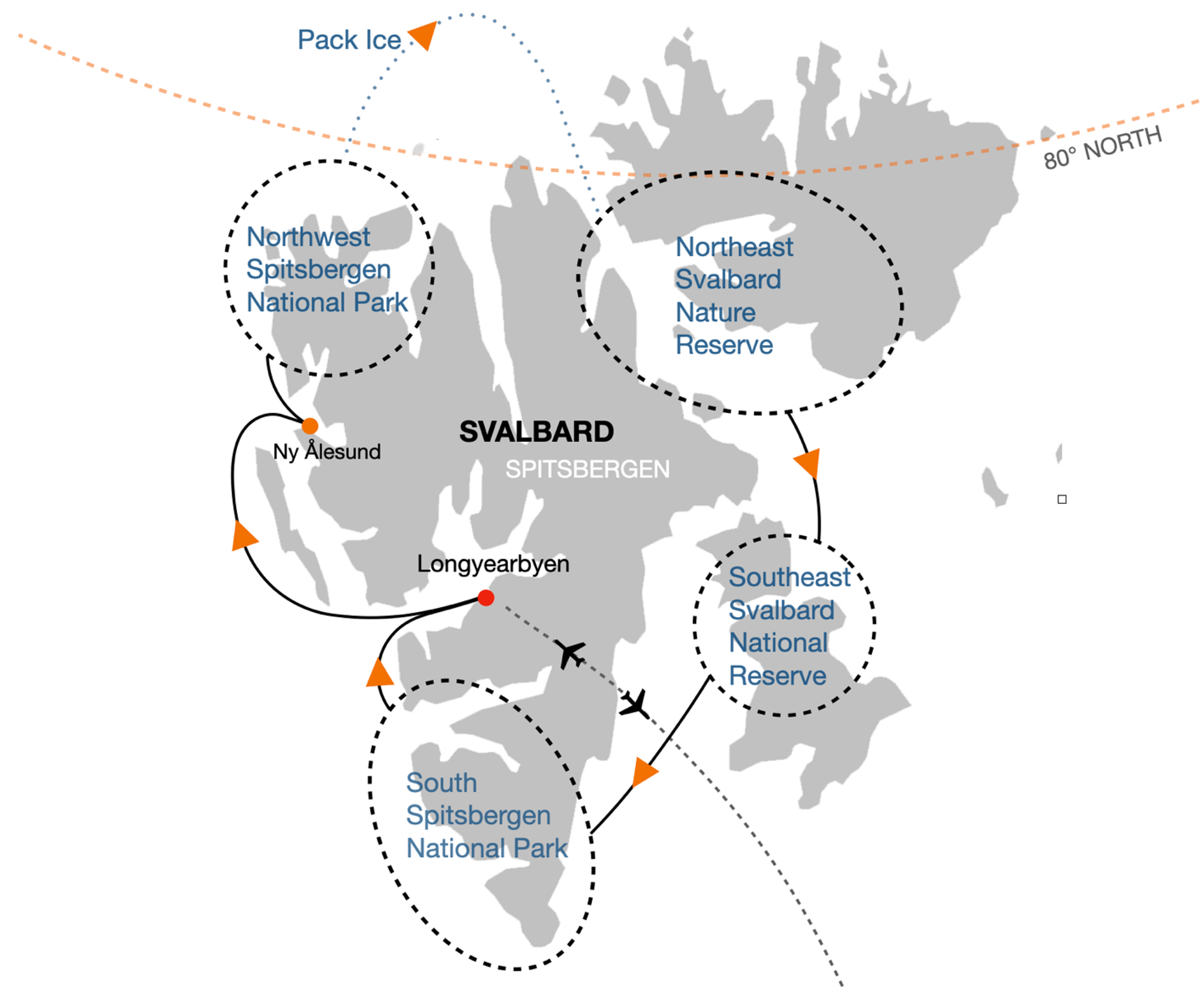
Please note: This itinerary is meant to serve as a general guide. Plans may change along the way, depending on weather, sea conditions, or choices made by the expedition leader and team to give you the safest and most rewarding experience.
Arrive in Oslo, the capital of Norway and the gateway to the Arctic. Set at the head of a fjord and surrounded by forests and coastline, Oslo offers a calm introduction before entering the high latitudes. Upon arrival, proceed independently to the hotel for check in and rest. This evening marks the gathering point before your Arctic journey begins. All meals today are at your own expense.
This morning, transfer to the airport for a dedicated charter flight to Longyearbyen, the administrative center of the Svalbard archipelago. As the aircraft crosses the Arctic Circle, rugged mountains, glaciers, and open tundra gradually come into view.
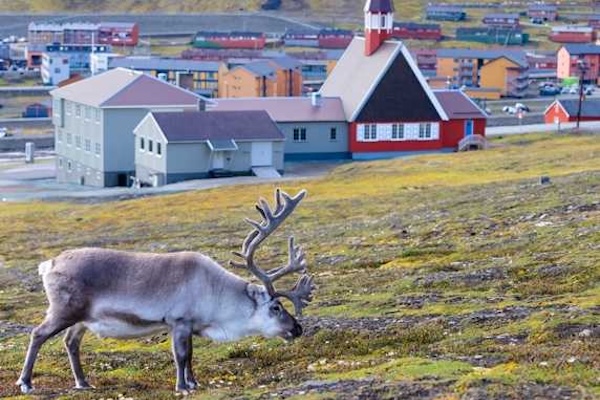
Upon arrival, time permitting, enjoy a brief opportunity to explore the town center of Longyearbyen, one of the northernmost settlements on Earth, where polar research, mining history, and everyday Arctic life coexist. Later, transfer to the pier to embark the expedition vessel. After embarkation procedures and safety briefings, the ship sets sail into the waters of Svalbard, officially beginning your Arctic expedition.
This region represents the classic heart of Svalbard exploration, where glaciers, fjords, wildlife, and human history intersect. Relatively stable conditions often allow for a combination of Zodiac cruising and shore activities, making it an ideal introduction to both the natural environment and the human story of the High Arctic.
Possible landing and cruising sites may include:
Ny-Ålesund: One of the northernmost permanent research settlements in the world, hosting international scientific institutions focused on climate, glaciology, and polar ecology. Ny-Ålesund is also closely linked to the legacy of polar exploration, having served as a base for Roald Amundsen and other pioneers during the early era of Arctic aviation. A visit here offers insight into both the historic and modern dimensions of human presence in the High Arctic.
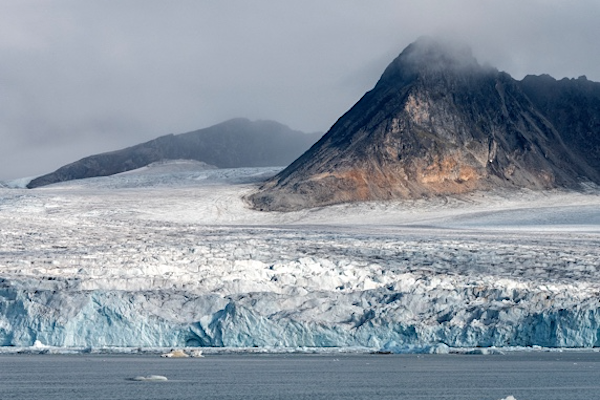
Kongsfjorden and Krossfjorden: Deep fjords extending inland, framed by steep mountains and tidewater glaciers. Zodiac cruising offers close views of glacier fronts, drifting ice, and wildlife along the shoreline.
Smeerenburg: A seventeenth century whaling site on Amsterdam Island. Remnants of foundations and historical remains reflect the brief but intense period of early human activity in the Arctic.
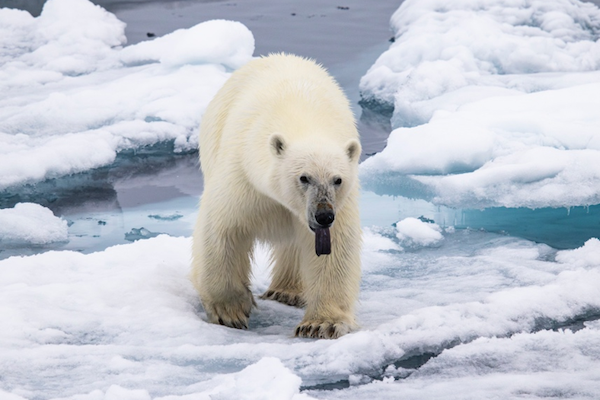
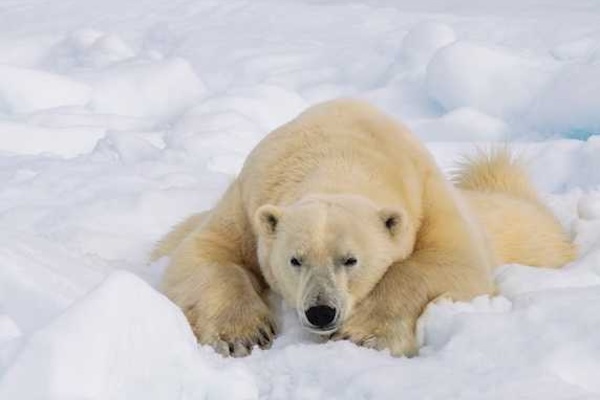
The pack ice represents the highest latitude and most unpredictable environment of the voyage. The boundary where drifting sea ice meets open water. The vessel navigates slowly along the ice edge, with opportunities to observe seals and, potentially, polar bears from the ship. Activities here are primarily ship based, with no fixed landing plans.
This high latitude region is defined by remoteness, openness, and uncertainty. Landings are secondary to the experience of navigating among ice, bird cliffs, and uninhabited coastlines. It is here that the true scale and raw character of the Arctic are most strongly felt.
Possible landing and cruising sites may include:
The southeast of the Svalbard archipelago is defined by vast, low impact Arctic wilderness and represents one of the least visited parts of the region. Unlike the glacier carved fjords of western Spitsbergen, this area is characterized by open coastlines, gently undulating tundra and extensive stretches of exposed rock. This region is considered an important habitat for Arctic wildlife. During the summer season, reindeer, seabirds and marine mammals are commonly observed, with the possibility of polar bear activity along the coastlines.
Possible landing or cruising areas may include:
South Spitsbergen presents a striking contrast to the open landscapes of the southeast, featuring deeply incised fjords, extensive glacier systems and steep mountain terrain. Located within the South Spitsbergen National Park, this area is one of the most visually dramatic and geologically diverse regions of the archipelago.
Exploration in the southern fjords typically centers on Zodiac cruising, with opportunistic landings when conditions permit. Glacial fronts, drifting ice and constantly changing light conditions provide insight into glacier dynamics and Arctic landscape evolution. The region is also home to seals, seabirds and, on occasion, polar bears moving along the ice edge.
In the morning, the ship returns to Longyearbyen. After breakfast, disembarkation procedures take place, followed by a transfer to the airport. Board the dedicated charter flight back to Copenhagen, Denmark, concluding your journey through the Arctic landscapes of Svalbard.
This expedition includes:
This expedition excludes: