Sort by
Start: May 14, 2026
End: May 28, 2026
Departure: Reykjavik
Arrival: Reykjavik
Duration: 15 Days
Show Prices
From$39,660

Explore the north-east coast of Greenland, an untouched, remote region surrounded by sea ice carried along the Transpolar Drift. Be guided and amazed at the opportunities for exploration in one of the hardest to reach areas of the Far North. En route, you will discover the Ittoqqortoormiit region at the entrance to Scoresby Sound, the world’s largest network of fjords. Among the first outside visitors of the season, you will be warmly welcomed by the community. During privileged exchanges mixed with joyful and authentic moments, you will learn about the village customs on the ice floe. Inuit hospitality is no myth, it is given in the warmth of a look or an exchanged smile.
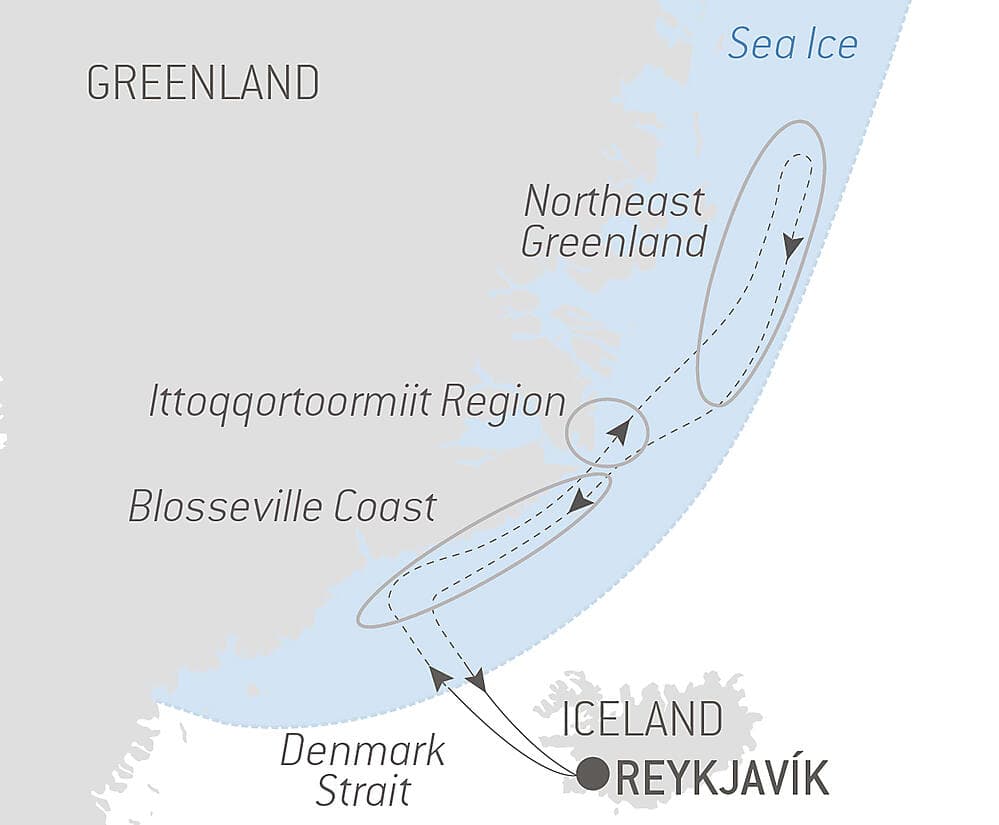
Please note: This itinerary is meant to serve as a general guide. Plans may change along the way, depending on weather, sea conditions, or choices made by the Expedition Leader and team to give you the safest and most rewarding experience.
Iceland’s capital stretches along the edge of a vast bay in the west of the country. Perlan, the “Pearl of Reykjavík”, a museum located on ’Oskjuhlið hill, offers a panoramic view of the lush, green landscapes. A little further, one can easily spot the signpost showing the way to the evangelical Hallgrímskirkja church, and to the historical centre where one can stroll along the Skólavördustígur and the Laugavegur, two lively streets with charming small shops. For some relaxation just outside of the city, visitors have the opportunity to visit the Reykjanes peninsula and its famous thermal lagoons of the Blue Lagoon.
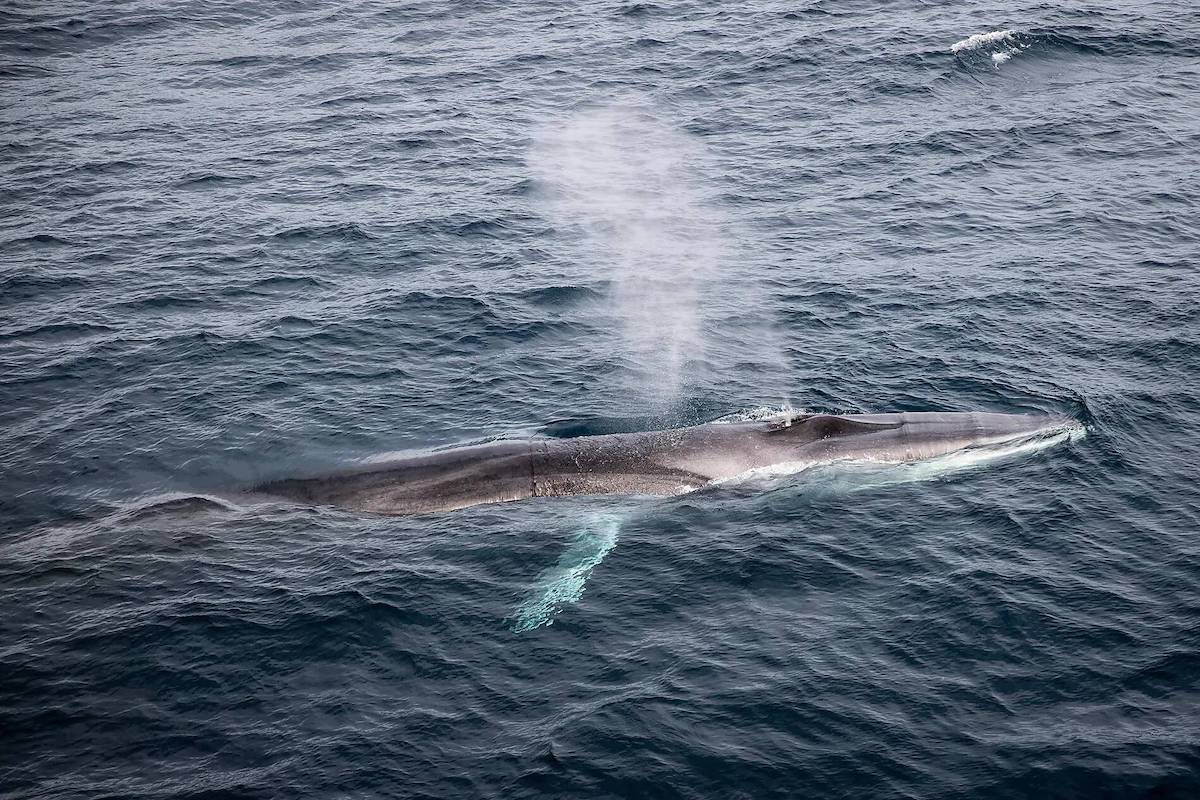
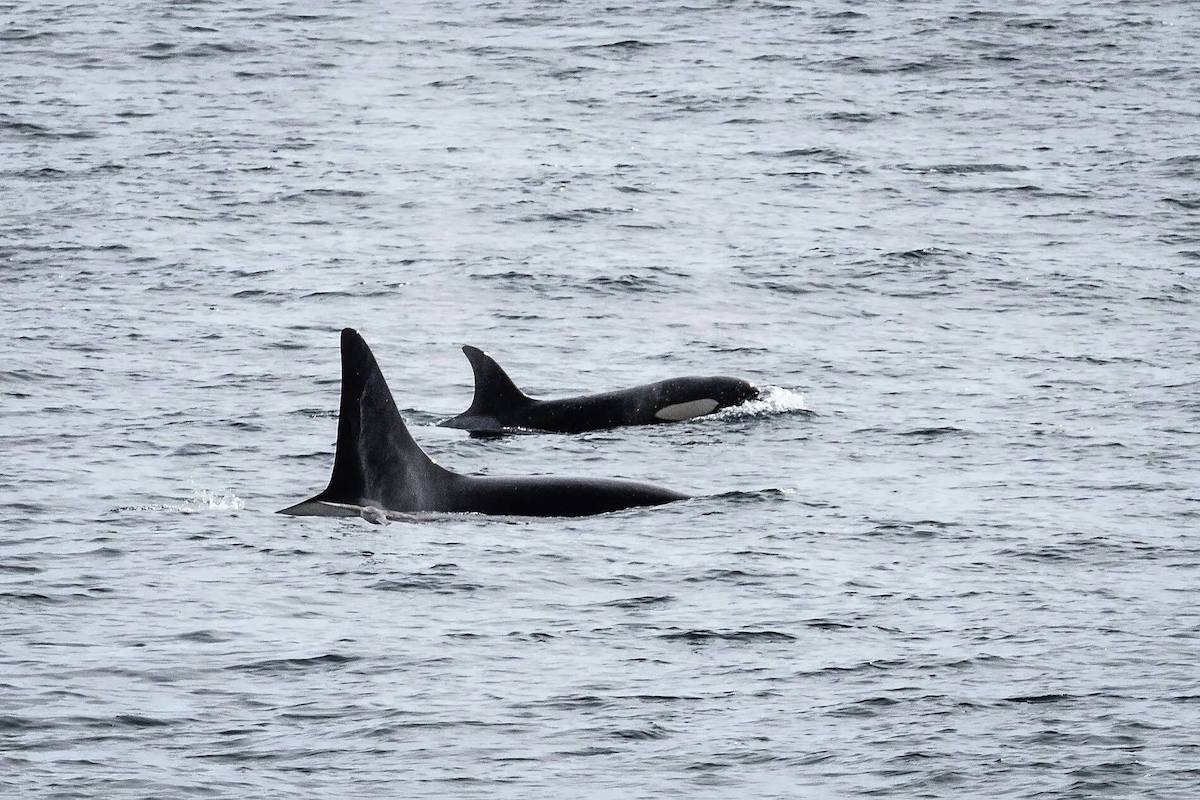
Lying between Greenland and Iceland, the Denmark Strait was crossed for the first time by theVikings in the late 10th century, during Erik the Red’s expeditions. In the Second World War, its waters were the theatre of a battle between the Kriegsmarine and the Royal Navy, on 24 May 1941. In the wintertime, extremely dense pack ice forms along the Greenlandic coasts and, while the Transpolar Drift sweeps icebergs along throughout the year, the strait is generally clear of ice during the summer. In the depths of the strait lies the world’s largest waterfall, an undersea cataract formed by the difference in temperature between the cold waters of the Greenland Sea and the warmer waters of the Irminger Sea. Numerous cetacean species thrive in this rich ecosystem.
Aboard your ship, follow in the footsteps of Jules Poret de Blosseville, a French explorer and sailor. In 1833, he set off to discover this isolated and unexplored part of eastern Greenland aboard La Lilloise, an adventure with a fatal outcome. The uninhabited territory that bears his name lies to the south of Scoresby Sound. Surrounded by ice, icebergs and pack ice – thin or thick, flat or pronounced – as far as the eye can see, Blosseville Coast is a wild and distant place to which very few people have access. Exploring it means a slow immersion into the heart of a frozen, almost unreal desert, where the variations in light transform one’s perception of the landscape.
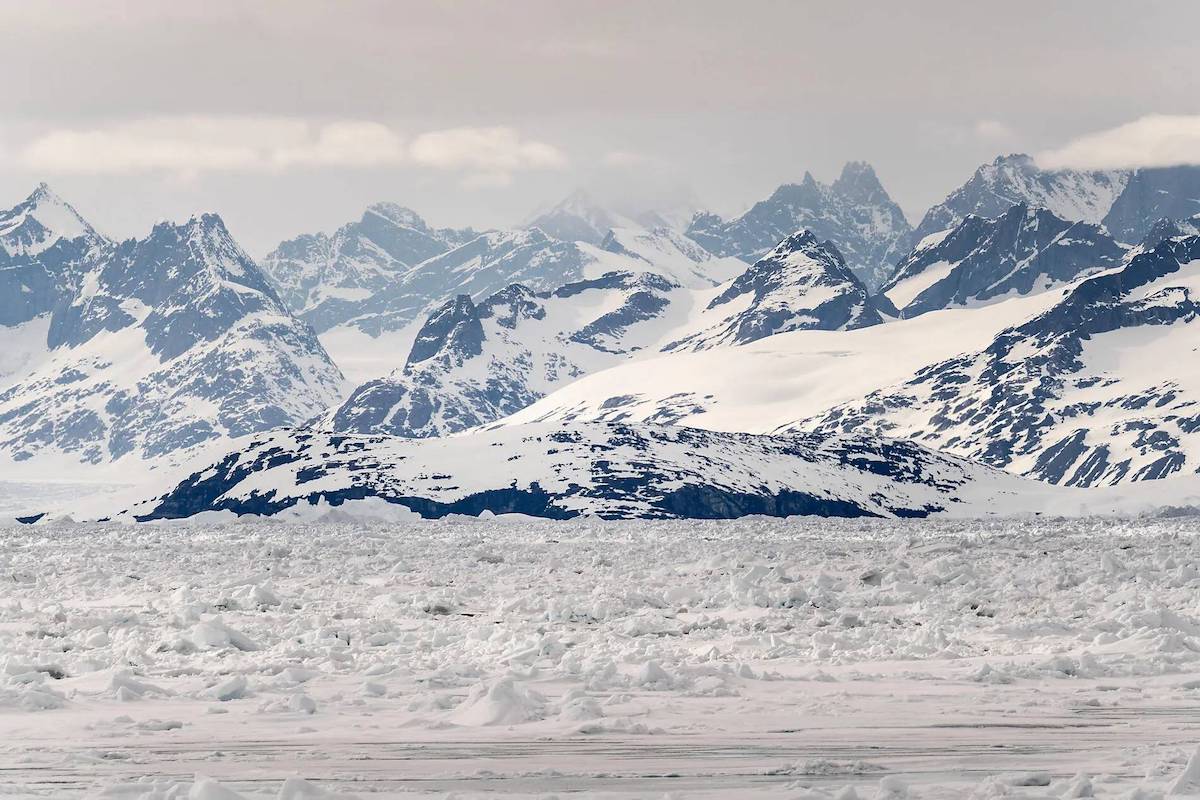
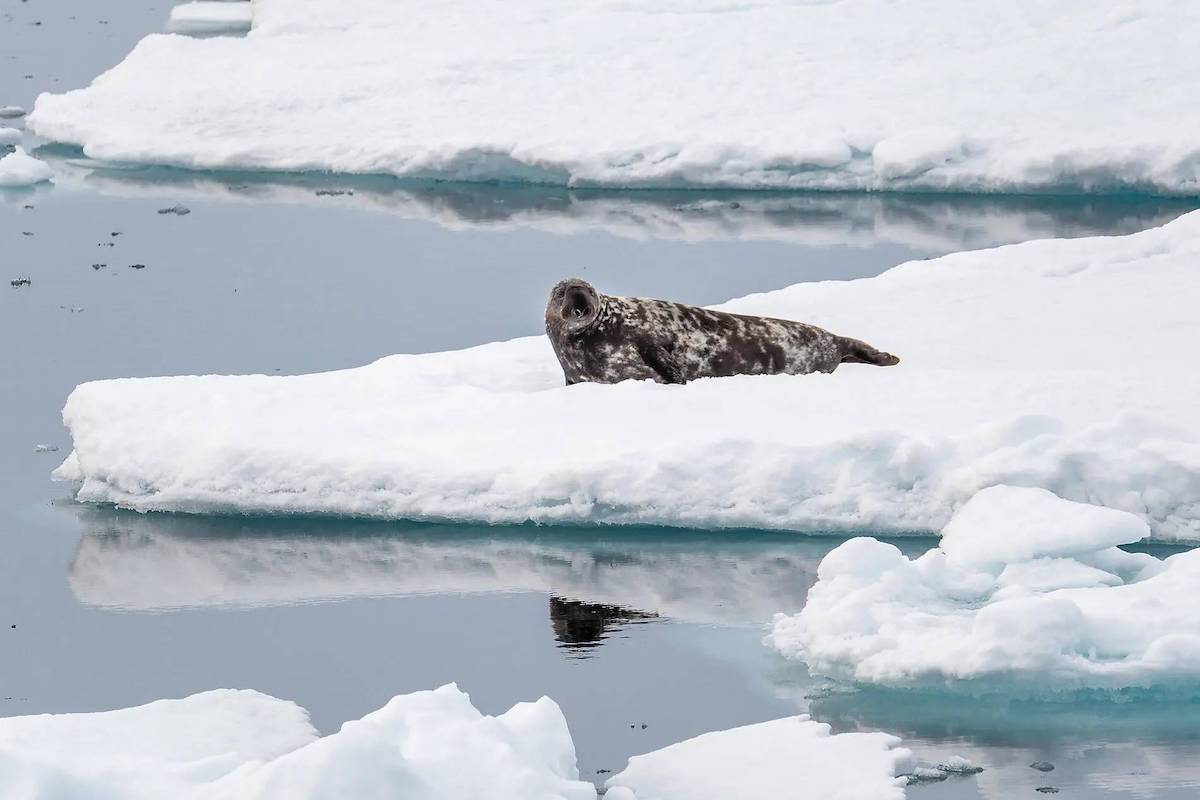
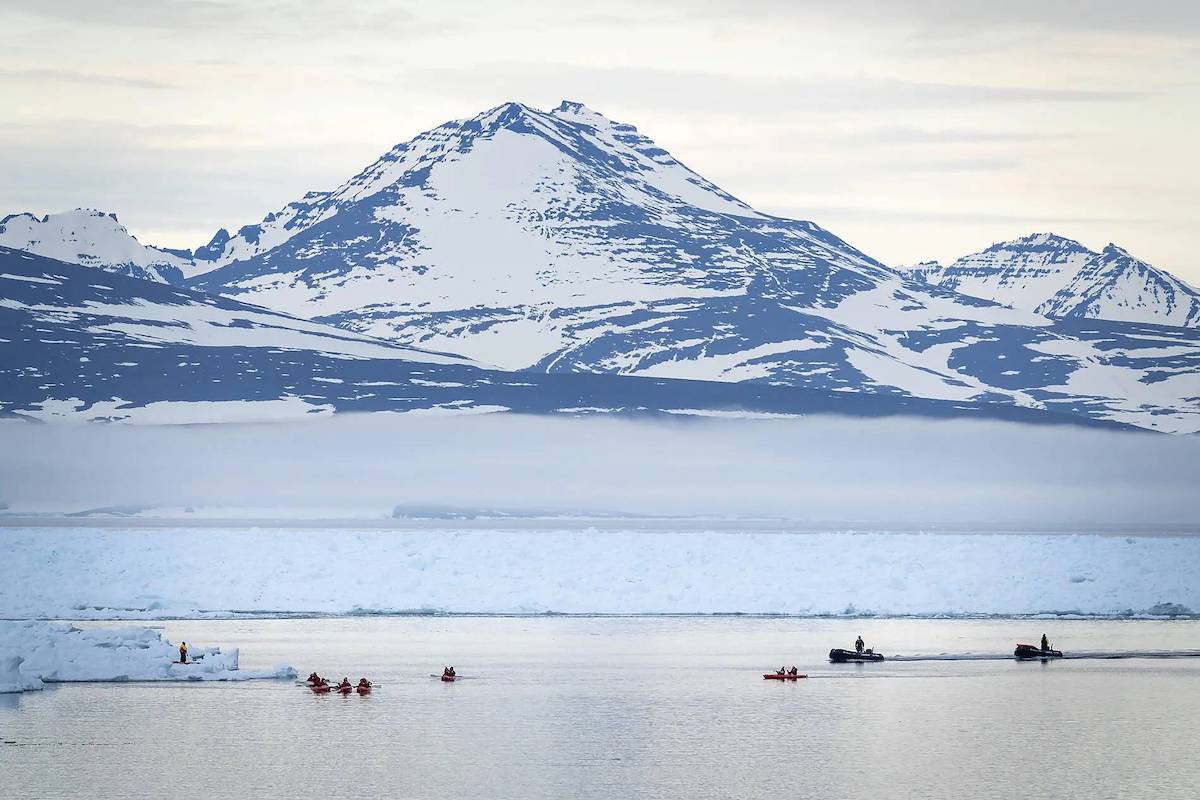
On the East coast of Greenland, in the Ittoqqortoormiit region that is covered with snow and ice for nine months of the year, you will have the rare opportunity of immersing yourself in the heart of an isolated territory and exploring the beauty of its infinite polar whiteness. The high alpine mountains punctuate the sky and gradually reveal their dark rock edges beneath a coat of snow. Located at the entrance to the longest system of fjords in the world, sits the village of Ittoqqortoormiit, one of the northernmost inhabited places on the East coast. Its name means ‘great house’ in Greenlandic and it is home to the last hunters of the polar region, whose ancestral way of life you will encounter. As soon as the thickness of the ice floe allows it, the hunters set out on the trail of walruses, seals, narwhals, musk oxen and polar bears, travelling by traditional dog sleds. On these expanses of immaculate snow, the silence is broken only by the sounds of the dogs, the grating of a sled coming back from a run or of footsteps on the ice. You will discover Inuit traditions through privileged and festive moments on the ice floe and in the village.
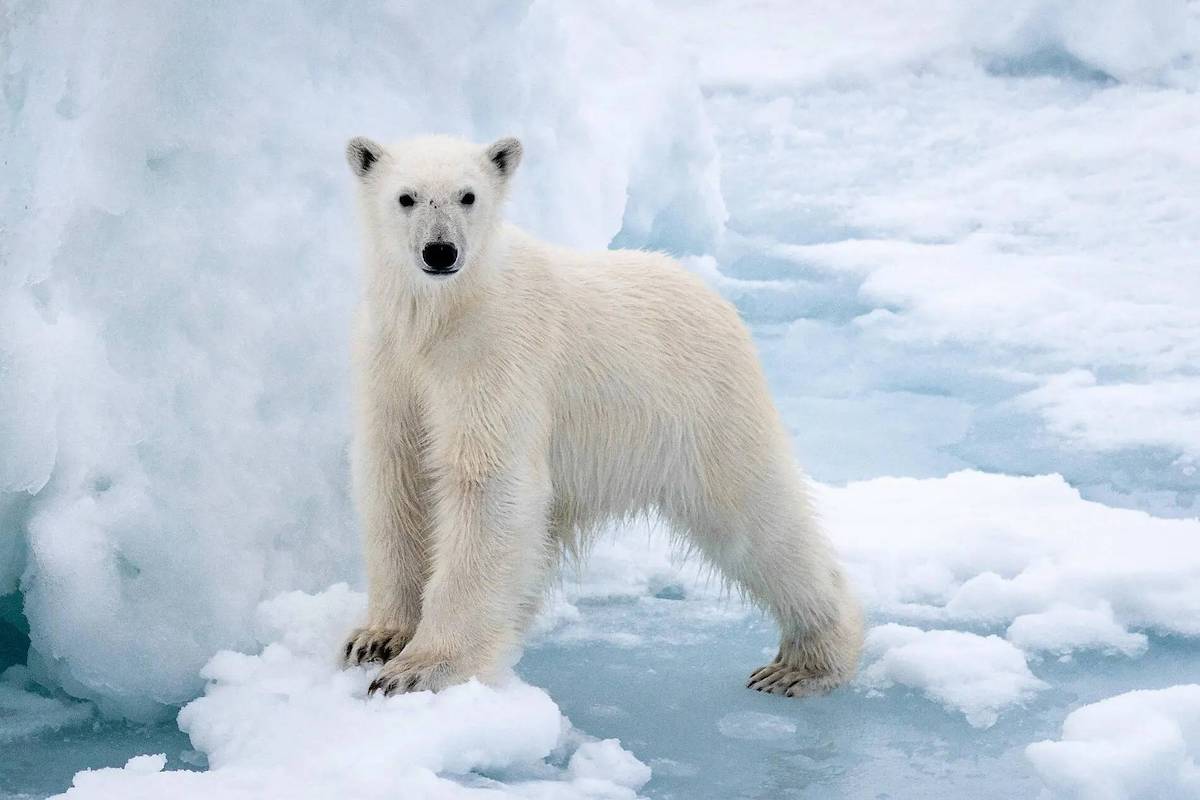
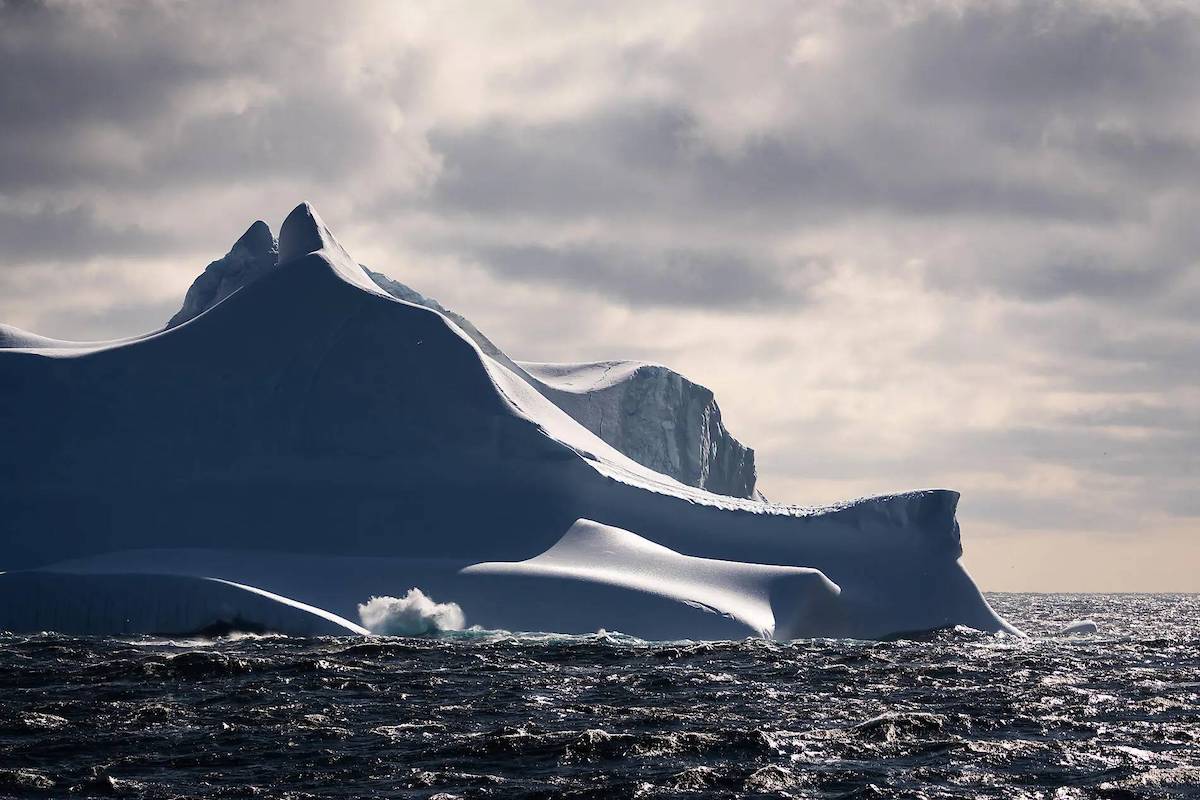
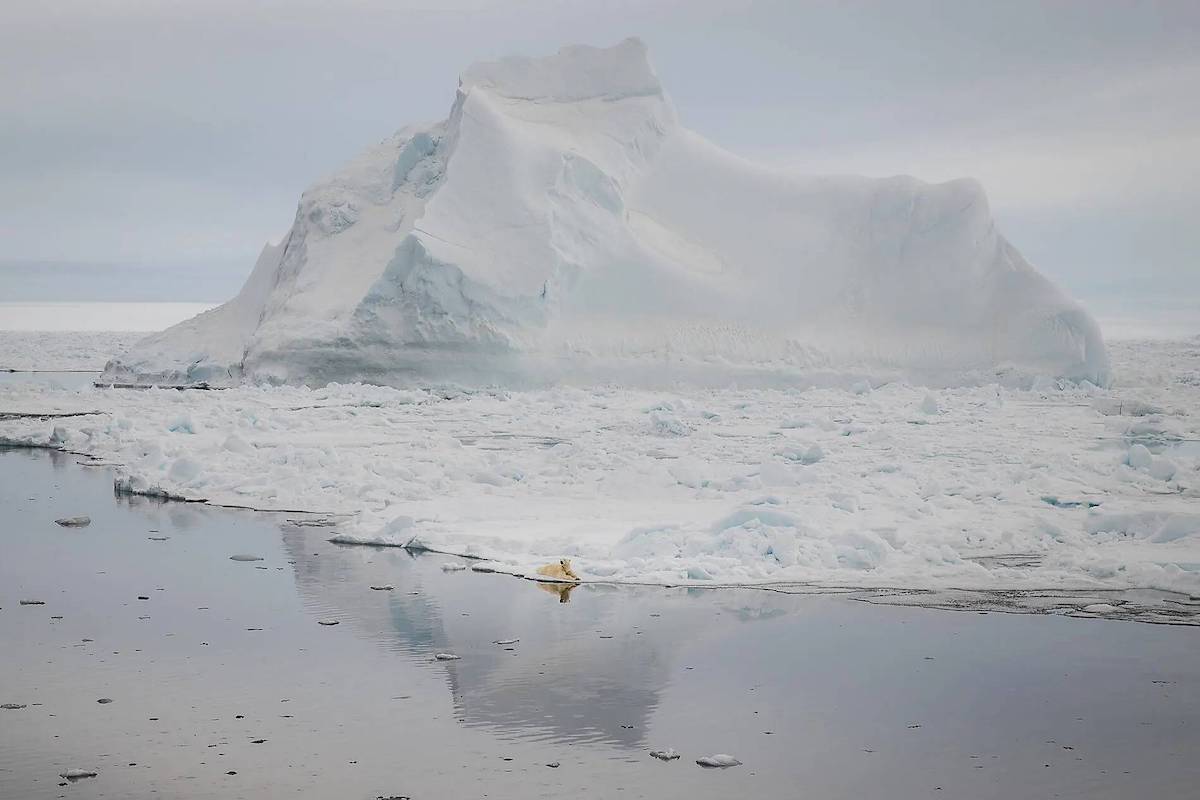
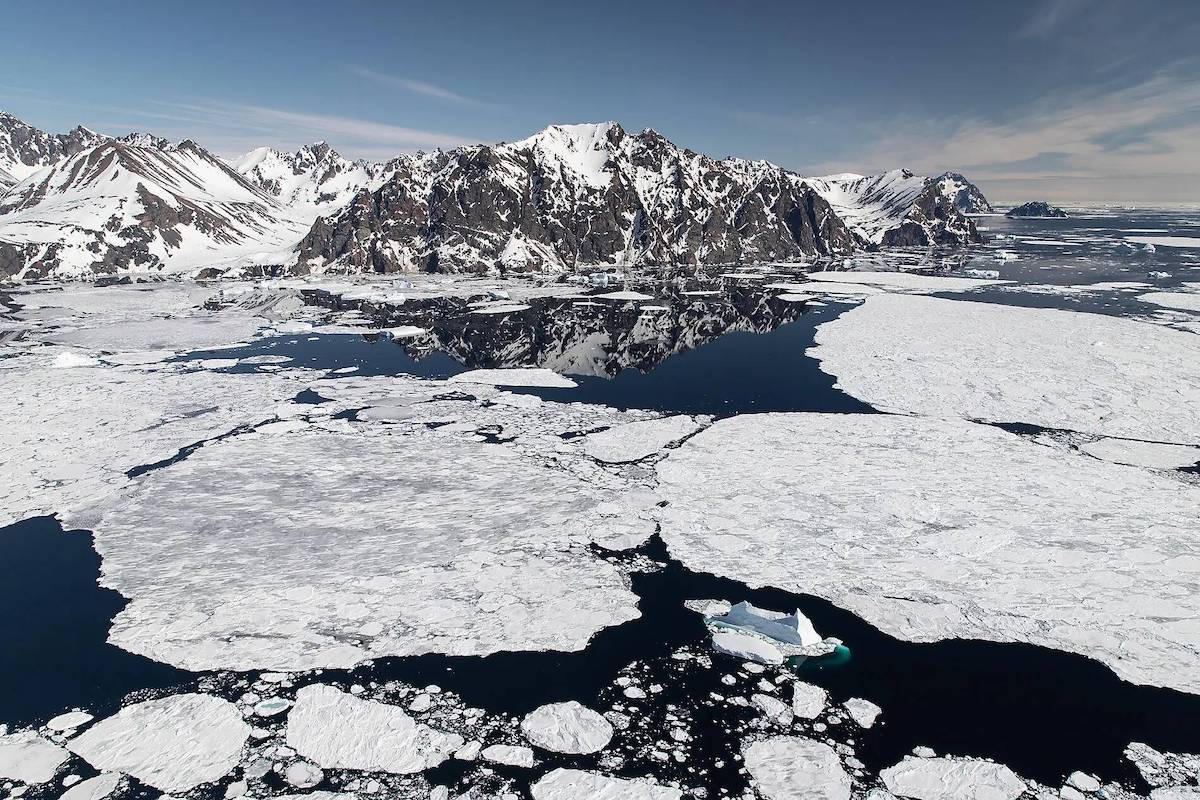
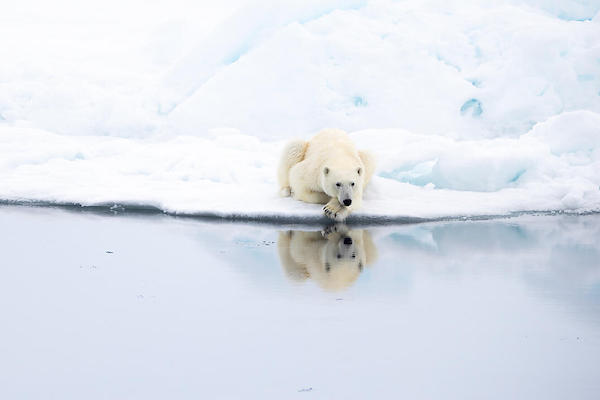
Set sail for North-East Greenland to immerse yourself further and up higher in the Arctic region to explore the unexpected riches of the sea ice, where traditional ships cannot travel at this time of the year. As the light shifts and the moods of the sky change, the different states of the ice and the infinite diversity of its textures create an exceptionally stunning tableau. With patience and humility, you will sail amid the pearl-white floating cathedrals and the ice carried by the Transpolar Drift. En route, icebergs have their journey halted by ice and pressure ridges reveal their sharp edges. In the midst of this icy vastness, beauty is found in the detail and the magic of the moment. In the realm of polar bears, you may even get the chance to admire the moving sight of a mother and her cub travelling across the immaculate icy expanse.
Aboard your ship, follow in the footsteps of Jules Poret de Blosseville, a French explorer and sailor. In 1833, he set off to discover this isolated and unexplored part of eastern Greenland aboard La Lilloise, an adventure with a fatal outcome. The uninhabited territory that bears his name lies to the south of Scoresby Sound. Surrounded by ice, icebergs and pack ice – thin or thick, flat or pronounced – as far as the eye can see, Blosseville Coast is a wild and distant place to which very few people have access. Exploring it means a slow immersion into the heart of a frozen, almost unreal desert, where the variations in light transform one’s perception of the landscape.
Lying between Greenland and Iceland, the Denmark Strait was crossed for the first time by theVikings in the late 10th century, during Erik the Red’s expeditions. In the Second World War, its waters were the theatre of a battle between the Kriegsmarine and the Royal Navy, on 24 May 1941. In the wintertime, extremely dense pack ice forms along the Greenlandic coasts and, while the Transpolar Drift sweeps icebergs along throughout the year, the strait is generally clear of ice during the summer. In the depths of the strait lies the world’s largest waterfall, an undersea cataract formed by the difference in temperature between the cold waters of the Greenland Sea and the warmer waters of the Irminger Sea. Numerous cetacean species thrive in this rich ecosystem.
Iceland’s capital stretches along the edge of a vast bay in the west of the country. Perlan, the “Pearl of Reykjavík”, a museum located on ’Oskjuhlið hill, offers a panoramic view of the lush, green landscapes. A little further, one can easily spot the signpost showing the way to the evangelical Hallgrímskirkja church, and to the historical centre where one can stroll along the Skólavördustígur and the Laugavegur, two lively streets with charming small shops. For some relaxation just outside of the city, visitors have the opportunity to visit the Reykjanes peninsula and its famous thermal lagoons of the Blue Lagoon.
Inclusions
²Excluding premium à la carte beverages.
Exclusions
Sort by
Start: May 14, 2026
End: May 28, 2026
Departure: Reykjavik
Arrival: Reykjavik
Duration: 15 Days